|
Silver Music faculty present
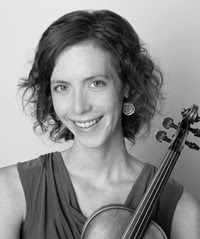
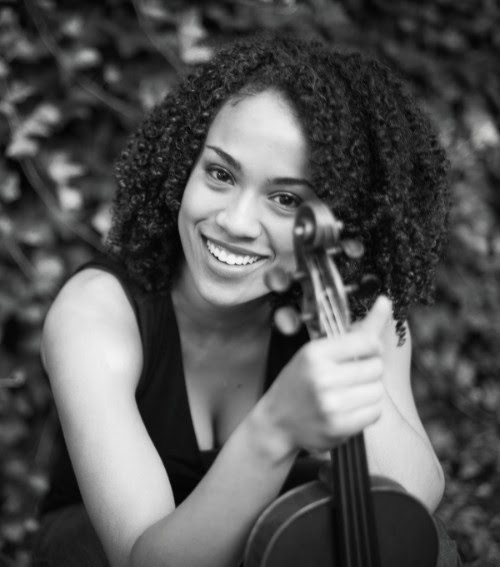
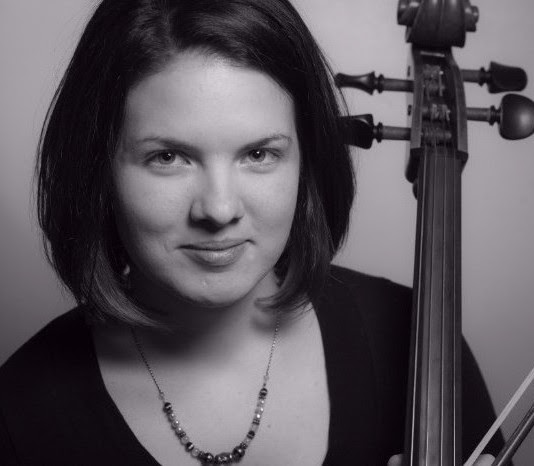
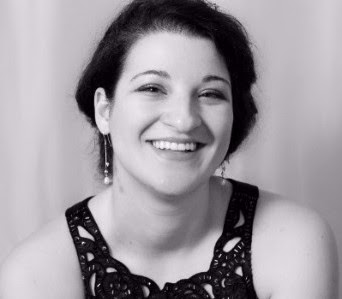
A ROMANTIC RECITAL Sunday, March 6, 2016 6:30pm 218 W 72nd St, New York, New York $12 in advance/$15 at the door limited seating  Program includes
Brahms 8 Klavierstücke, Op.76
C. Schumann Romance No. 1 for Violin and Piano R. Schumann Fantasiestucke for Cello and Piano Dvorak “Dumky” Piano Trio Purchase tickets online in advance *Advance tickets will be available until March 4 *Cash or check required for tickets purchased at the door. general inquiries may be sent to silvermusic@silvermusic.org This concert is kid-friendly! Children under 2 ~ free |
||||||||||||||||||||||||||||||||||||
|
||||||||||||||||||||||||||||||||||||
Blog
-
Faculty Recital: March 6
-
Coming to Silver Music: Guitar!
We are expanding our offerings at Silver Music and thrilled to have guitarist, Jennifer Trowbridge, join us at our school!
 Jennifer Trowbridge has enjoyed a 20-year career in guitar performance spanning classical music, jazz, world music, and a range of popular styles which has put her on stages in Chicago, New York, Jerusalem, Istanbul, and elsewhere. She has performed solo and collaborated with singers, dancers, actors, puppeteers, filmmakers, and musicians from all over the world. Jennifer began playing the banjo-ukulele at the age of three and the guitar at four. Performance, teaching, and scholarship have long been intertwined in her music career. She earned a bachelor’s degree in music at the University of Chicago and a doctorate in guitar performance at the Northwestern University Bienen School of Music, with guitarist/pedagogue Anne Waller. After running a private guitar school in Chicago for nearly twenty years, she taught guitar at the Chicago High School for the Arts and the Interlochen Arts Academy and Camp. She has practiced a variety of teaching methods including the Suzuki Method, and has studied with some of the finest concert artists including Sérgio Assad, Sharon Isbin, David Russell, Oscar Ghiglia, Denis Azabagić, Jorge Caballero, and Michael Lorimer. She composed music for the award-winning documentary film, The Pantanal: Brazil’s Forgotten Wilderness, televised on PBS, and has been the recipient of several grants from the Chicago Department of Cultural Affairs. Dr. Trowbridge’s recent scholarship focuses on classical and avant-garde composers and performers who used Beatles songs to promote “serious” music in the 1960s and 1970s. She presented her research at major academic conferences around the country. This breadth of academic and teaching experience speaks to how deeply Jennifer values education and to how tightly woven her teaching is to her own learning and performance life. Since learning is a lifelong endeavor, she enjoys working with young children, teens, and adults, and finds that incorporating imaginative play into learning helps students of all ages.
Hear Jennifer play!:
-
Faculty Feature: Kayla
I was fortunate to have my Grandmother living up the mountain (that’s what we say in southwest Virginia). She was a professional violist and music teacher. From the moment I was born she would play music and sing with me. There was a box of music instruments (rhythm sticks, triangle, bells, etc…) that we would play with every day. Kind of like Ready Set Play classes! When I was 5 she decided it was time to sign me up for piano lessons. I was never offered a choice about what instrument to play. A few years later I heard the Elgar cello concerto performed live and begged to play that instrument. I was drawn to the deep voice and the idea of playing with an orchestra. When my constant begging continued for more than a year, I was granted permission to study both instruments on the condition that my piano practice would come first. Well, we know how that turned out. 🙂
Unfortunately I was not able to get answers from my grandmother to all of these questions, though she could remember a few things to include. Most of this interview is coming from my Dad.
Q: What were your thoughts about starting lessons? Were you excited? Anxious? Confused?
A: My music education consisted of playing clarinet in the high school band. When your Grandmother told me she wanted to sign you up for piano lessons at age 5 I was surprised. But I knew it would be a good opportunity for you.I had no idea where you would take it! I was just thinking piano lessons couldn’t hurt you…
Q: What was the most helpful thing my teacher ever told you? Least helpful?
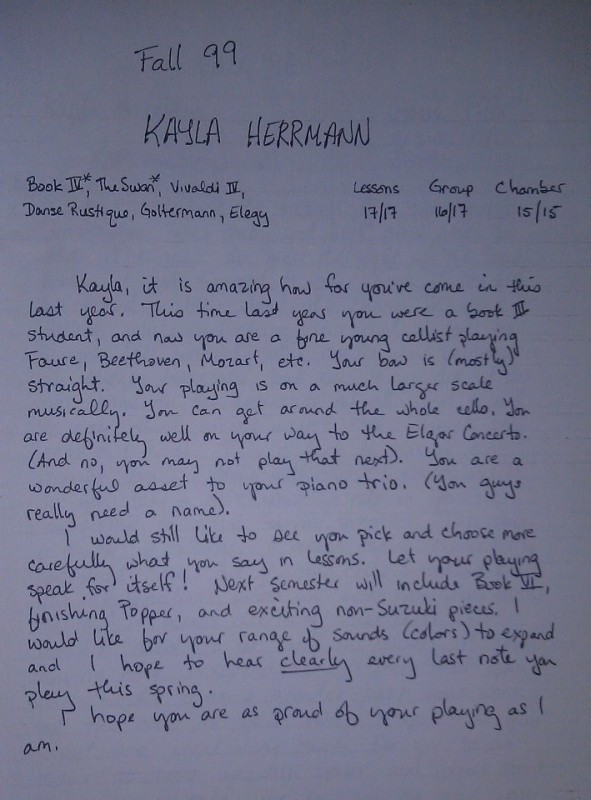
A: You were so lucky to have an amazing Suzuki school where we lived in Virginia. (Side note–Ellen actually gave a masterclass there!!) I can’t remember one specific thing, but I remember your teacher gave us many goals for each practice week which helped a lot. The semester reports (pictured below) were also helpful because it gave us perspective on how much work you really did accomplish. Some days the progress is so slow it’s hard to see the bigger picture!
Q: Were there times I wanted to quit? Were there times YOU wanted me to quit?
A: As you got older, yes. I never wanted you to feel like you were forced to do it. There were times you would say “why can’t I just be a normal teenager.” But every time I gave you the option to quit you wouldn’t do it. All the way to the point when you needed to pick between music conservatory or engineering school.
Q: Did I always like to practice? If not, did you have any tricks that made practice easier?
A: No, Kayla! No one always likes to practice! Cookies made it easier.
When you were in high school there were times when you found balancing music and schoolwork quite difficult and frustrating. You were extremely motivated through your quartet and chamber orchestra and I think that carried you through so many of the difficult practice days.
Q: Was there a point when it became clear to you that it was all worth it?
A: As long as it was something that you wanted to do, I always felt it was worth it. Not that there weren’t difficult days of practice, but I never felt that you truly did not want to do it.
Q: How did you see my musical education as affecting the rest of my life?
A: I think it did a lot to promote responsibility, organization and sense of commitment. Music taught you at an early age that it required work to make something happen. It didn’t just come because you held your hand out.
You also had so many opportunities through your music. Your first plane ride was for a Suzuki institute. Your first international trip was for a chamber music festival. Your first trip to New York City was to play at Ground Zero with the Irish National Youth Orchestra. And that is only naming a few of the many opportunities you had.
Q: What’s the worst fight you remember having with me about music?
A: There were many tears, many meltdowns. Many birthday parties you had to arrive late for or sleepovers you couldn’t do. Summer vacations included practice time. I can’t think of a worst fight, but it was hard to stand my ground about making practice a priority. But I’ve watched you become an adult and be able to make those decisions for yourself. I like to think that some of your discipline and work ethic comes from the difficult moments we spent in your childhood. Doing the thing you want vs. the thing you need to do is a very hard lesson to learn.
Q: Is there anything you wish you had done differently?
A: I probably regret not pushing you to go to Walnut Hill School for high school. You were too scared to make that choice yourself and I was not anxious to send my little girl all the way to Boston at 14. But I think it would have provided you with many more opportunities than we had in Virginia.
Q: What’s the best time you remember having with me surrounding music?
A: Your concerts at Point Counterpoint chamber music camp in Vermont. Those concerts were the most enjoyable ones I ever listened to. And taking the road trips up there and back! Actually all the trips we took together for your music activities were so much fun. I can say I’ve been to so many cool places because of trips your music took us on.
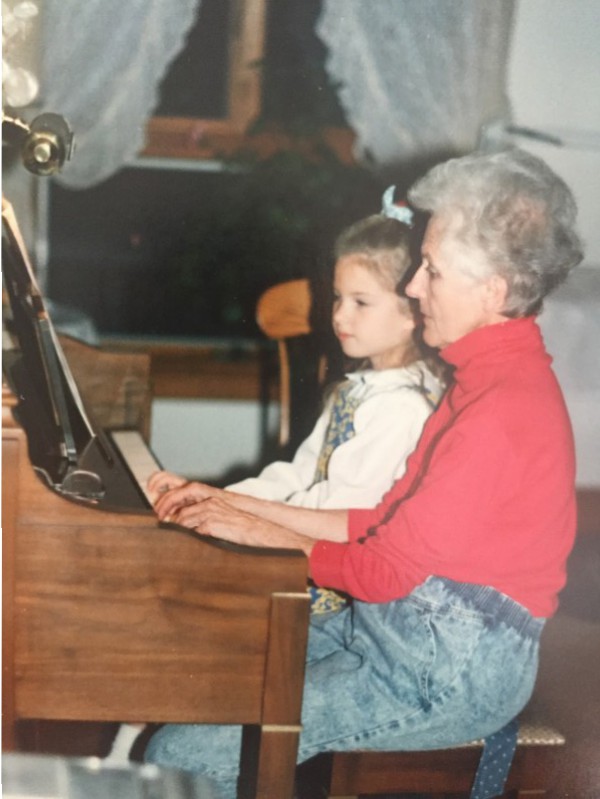
A: From my grandmother: You had worked so hard with you duet partner for the annual piano duet recital. She was sick that day so at the last minute I got on stage with you and performed. I was so nervous! My hands were shaking. But I had such a fun time getting to perform with you. Your piano teacher wrote me a beautiful note the following week.


-
Percussion Workshop rescheduled to 1/31!
Percussion Workshop at Silver Music
Things are happening at Tiemann Place! Join us on January 31st* from 2:30-3:15pm for an exciting workshop with drummer, Josh Gilgoff! This workshop is ideal for children ages 7-12. Find out what it means to have a shared ensemble experience as Josh introduces instruments from West Africa, the Middle East, America and beyond!
This workshop will be take place at 45 Tiemann Place (just off the 1 train at 125th St). The event will be hosted by Ellen Silver. No prior music training is required! Space is limited to we ask that you RSVP with your child’s name and age to silvermusic@silvermusic.org.
This event was rescheduled to 1/31 after inclement weather on 1/24
-
2016 Practicing Champions!
-
Faculty Recital: Jan 10–SOLD OUT
Silver Music Faculty
present
A Classical Recital
We hope you’re able to join us this Sunday, January 10th at 6:00pm at 218 W 72nd St for a recital featuring the following faculty members:
Blythe Bonnaffons, flute
Sage Cole, violin
Meredith Ezinma Ramsay, violin
Ellen Silver, cello
Wenhan Anderson, pianoThe recital will showcase music from some of our favorite Classical composers, including Haydn, Mozart, and Beethoven!
This is a family event. We’ll have interactive discussions between pieces and we encourage children of all ages to attend.
Seating is limited. We invite you to purchase your seats online in advance by Friday, January 8th. After this date, tickets will only be available at the door. See pricing and purchase tickets below:
$12 in advance/$15 at the door
Children under 2 ~ FreePurchase Tickets Online -
Faculty Feature: Sage
I started violin at what my students consider to be the ripe old age of 7. I was not a Suzuki kid but rather took “traditional” lessons and studied at the New England Conservatory Preparatory School. Although no one told us about the Suzuki Triangle (student-teacher-parent), my mother was a huge part of my violin studies and attended lessons as my note taker and practice partner until I was about 12. Here’s a brief Q and A with my mom where she talks about some of her memories of my violin journey.
◊◊◊
Q. What was the reason I started lessons?
A. Because you wanted to. When your brother started trumpet you wanted to play an instrument too and the only instrument I knew that was small enough was a violin. I told you that and you immediately said you wanted to play violin. I thought, yeah, sure, that won’t last. But you asked me for a month nonstop, “when are you going to find me a violin teacher?” so I finally took it seriously…
Q. What was the biggest misunderstanding you had about how the lessons/practices would go?
A. I didn’t know that I would be so involved. And I didn’t know there would be tears. So many tears.
Q. What was the most helpful thing my teacher ever told you?
A. She told me a lot of helpful things that were really about life. She told us that in every piece there is a part that takes much more time to master than any other part and I think about that often– there are aspects of every challenge in life that will take longer to overcome than others. It’s to be expected and accepted. Also, when I asked her why you had to play in recitals instead of just playing “for yourself” she explained that music is to be shared and we always have to think of an audience and how to help the audience enjoy the music. She was very clear that you should always be playing with the musical interpretation you want to express or else you’re not really practicing.
Q. Were there times I wanted to quit? Were there times YOU wanted me to quit?
A. More than once when you were in tears I would tell you that you could quit and you would sobbingly say, “no, no! I don’t want to quit!”. Looking back, I think the temper tantrums were really frustration over difficulty rather than any desire to stop playing the violin. What you really were hoping is that I could somehow solve your difficulties, which, unfortunately I could not.
Q. What helped us through those times?
A. Nothing I can think of now, other than talking to other parents and learning that at least some of them were going through the same thing– I had thought we were alone and that no one else could be having these same kinds of struggles. Knowing we were not alone was very helpful.
Q. Did I always like to practice?
A. No, you didn’t like to practice. But you would. You had a clear understanding that you could not improve without practicing. At the time I was trying to learn how to play guitar and I recall saying to my cousin, who is an accomplished guitarist, “I don’t want to practice, I just want to be able to play guitar”. He looked at me as if I were crazy and said, “everybody wants that!” For some bizarre reason, I had thought that was an unusual desire…
Q. Was there a point when it became clear to you that it was all worth it?
A. Yes, absolutely. Many points. There was never a time I thought it wasn’t worth it as much as I had questions. I think I always saw a value that just because clearer and clearer. The discipline and focus you learn is invaluable. And the experience of playing in orchestra was really a highlight. The value of making music together with others was always clear to me. When I look back on my childhood my school band memories are among my happiest and you were obviously the same– you thrived in orchestra.
Q. How did you see my musical education as affecting the rest of my life?
A. It was invaluable. Particularly in adolescence to have a focus outside of yourself is crucial. Your brother also took music lessons [trumpet] and did not become a musician, or even pursue it after high school, but the experience was nevertheless invaluable. Plus, it brought me a huge amount of pleasure!
Q. Is there anything you wish you had done differently?
A. Yes. I wish I had found a way to be more peaceful and not get so engaged in struggles during practice.
Q. What’s the worst fight you remember having with me about music?
A. Oh man… there isn’t any one that stands out. But there were definitely some very unpleasant times– when I was near tears myself. I wish I had done a better job of helping you.
Q. What’s the best time you remember having with me surrounding music?
A. There were lots of good times. I think orchestra was definitely a really lovely time. Everything about that experience including the driving [one hour each way every Saturday, even on holiday weekends!] was a great time to have together. In fact, sharing all of your music experiences, including learning how to interact positively with some very demanding teachers, were really meaningful times to have together. Then there were all the concerts we attended together and the recordings we listened to and studied. I didn’t even like solo violin when you started…and now the violin repertoire includes some of my most favorite music. Your musical experiences definitely enriched my life, no question about it.
◊◊◊
Here I am, age 10 or 11, practicing while my mom video taped. Things start out ok but you’ll soon see how I react when I can’t get the sound I want. Mom must have encouraged me to slow down and the next section is pretty successful until… you’ll have to watch and see. But I kept working, through the frustration, and it didn’t sound half bad by the end!
-
Preparing for a recital is a lot like baking a cake!
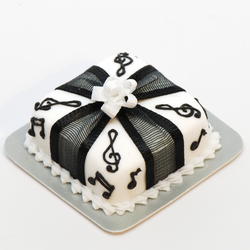 In working with a Book 3 cello student recently, I realized that preparing for a recital is a lot like baking a cake! Let me explain:
When you bake a cake, after you measure each ingredient and mix them together according to the recipe, it is time to bake the cake. The cake may need to bake for about an hour, so you set your timer for 50 minutes and pop it in the oven. When the timer rings after 50 minutes, you insert a toothpick or a fork into the middle of the cake, and it comes out a little sticky with batter—the cake still needs more time to bake! You put the cake back in the oven and set the timer for 5 more minutes. This time there is less sticking to the fork, but you can tell that the cake still needs more time as the fork is not totally clean. At this point you are so excited for the cake to finally be done that you stay near the oven to take the cake out right when the buzzer goes off again after five more minutes. This time the top of the cake is shiny and springy, and the fork comes out totally clean–the cake is DONE!
Even though you would love to dig in to the cake right away, it still needs to cool for a while and then finally be iced for an extra layer of scrumptiousness!
So how is baking a cake like preparing for a recital? Well, after we learn all of the notes and bowings of a piece by heart, there is still a lot to work needed on the polishing of the piece, such as dynamics, phrasing, character, and beautiful tone. It also takes a while for the piece to settle into your fingers and be really comfortable and fun to play. While you are polishing this piece, you are most likely beginning to learn a new piece as well with new challenges to master.
While you are working on a piece, it is almost like you are baking it like a cake in the oven. As it gets more and more comfortable to play, it is close to being baked through and almost ready to come out of the oven, or be performed for an audience. Sometimes when you try to perform a piece that is not baked all the way through, some of it may fall apart or get mixed up, just like a cake may be too soft and runny on the inside if you take it out before it has baked the right amount of time.
One of my students has worked hard to learn a new Book 3 piece over the past few weeks and was eager to play it on a recital in place of the Book 2 review piece that we had decided would most likely be her recital piece. Even though she could play all of the notes correctly in the new piece, we could both tell that this piece needed more time to become totally “baked” with dynamics, phrasing, etc. for a great recital experience. The Book 2 piece flowed right out of her with only one small hesitation. She knew immediately that this piece was much more performance-ready for the coming week’s recital–it was fully baked and just needed a bit more icing to make it totally delicious!
There have been many times that my students have asked to play their newest piece on a recital, and I have almost always said they need to play a more comfortable review piece instead. The audience will enjoy hearing any piece that you play, that you can really play fluently and musically EVEN (and especially!) if it not your most advanced piece! I always say that I would rather hear an absolutely beautiful Twinkle on a recital than a more difficult piece that is not polished and ready to play with joy and ease 🙂 And I myself would rather perform a piece I know very well, that is really in my fingers and in my head, than I piece I have just mastered.
Happy baking and playing!
-
Faculty Feature: Ellen
Helping you navigate your child’s musical journey and stay on course throughout all of the many ups and downs of the trip is a core part of our school’s mission. While everyone’s journey is unique, many of the wonderful and challenging aspects of music study are familiar and shared by all of us who have traveled this path. This year we will be sharing a series of articles featuring our instrumental faculty and highlighting the struggles and joys they shared with their parent partner as they were growing up and studying music. This month’s faculty feature is on our director, Ellen Silver.
It was interesting to talk with my mom about what it was like being the parent of two Suzuki kids 35 (!) years ago and see if it can offer us any guidance as parents of music kids today. I was not a “typical” Suzuki kid, as I started cello at school in fifth grade when a string instrument was offered to every student. I chose cello because my younger sister in 1st grade had been chosen by lottery to play Suzuki violin in a new program, and I didn’t know what the viola was! So that left the cello. I learned to play simple songs pretty quickly through the traditional approach of reading notes, although my bow hold and playing position were pretty terrible, as pointed out by my Suzuki cello teacher who I started with beginning the following summer.
How did music impact our family’s life growing up?
Music was the focal point of our family life growing up. With classes for both my sister and I, we spent almost every day of the week at either lessons, group classes, recitals, or orchestra or chamber music rehearsals. My mom said that many of her happiest memories of our childhood are of the musical things we did together as a family, such as the four summers we drove from St. Louis to Steven’s Point, Wisconsin for a week-long Suzuki institute that we spent all summer reviewing and preparing for, to the years of special winter weekends and Saturday recitals, waiting to hear our friends perform our favorite advanced pieces. As we got older, youth orchestra became a very big deal, with my mom bringing home the recordings of the pieces we were learning from the library and playing them for us for weeks. A huge highlight was getting to see the Japanese tour group of Suzuki students play in Powell Symphony Hall in St. Louis. We were all in awe as we heard the advanced pieces played by such young kids all in matching outfits!
What was it like having two kids in the family studying music? How did you find time to fit in practicing with us? When did we practice and how did we manage to keep it up with all of our schoolwork?
My mom said it was really wonderful having two kids playing different instruments. We competed for her attention every night after dinner when we both got up from the dinner table and grabbed our instruments, jockeying for a turn to play for her. The natural competition between us worked to keep us playing for a long time, taking turns back and forth while the dishes sat on the table and my mom listened and mostly praised us for our efforts. Then, of course, we also loved to take each other’s instruments and try to play the pieces that were unique to each instrument. This is how I learned the second part to the Bach Double and my sister learned Breval Sonata and annoyed each other in the process as only siblings can! I also remember standing next to my sister with a tennis racket and chopstick, shadowing her violin playing exactly with all of the correct string crossings and bow levels…. so much fun, I wish we had a photo of that!
How was I to practice with? Did I take your suggestions well?
My mom and I both remember that she was very encouraging of my playing and reminded me of what we had worked on in my lesson from her spiral note pad that she took notes on during our lessons. I mainly remember her pointing out that my bow was almost never on “route 3” as it was usually drifting over the fingerboard. I hated to be reminded of this, but it is surprisingly one of the things I still have to pay attention to in my playing today to get a really ringing sound. I also remember that I didn’t like to be told to fix or focus on something WHILE I was playing, because I felt like I could never hear exactly what my mom said and just wanted to finish the part of the piece I was playing first and THEN find out what she was telling me to work on. This is something I struggle with as both a parent and a teacher, how to stop myself from interrupting when kids (especially my own!) are playing to give a suggestion that feels like it can’t wait….
More of Ellen’s story coming soon…
-
December Camps!
December 21-23 and December 28-30
Is your child interested in a musical experience this holiday season? We are offering multiple camps during school breaks in December!
Each camp is 3 hours a day and will meet Monday through Wednesday at our 72nd St location. Each camp is $270. Siblings and students who participate in multiple campsreceive a 10% discount.
To inquire, please email silvermusic@silvermusic.org with your child’s name, age, and instrument/level if applicable.
You may also REGISTER ONLINE HERE.
We hope to share music with your child this December!

Music and ArtCamp
Join our experienced early-childhood music and art teachers for a magical week of exploration and creation! Our camps engage and motivate young children to try new things as well as develop their skills and interests in music and visual arts. Camp meets Dec. 21-23and Dec. 28-30 from 9-12pm. Ideal for children ages 3-6 years old.
InstrumentalCamp
Instrumental Camp is offered for students studying violin, cello, or piano. Campincludes masterclasses and mini-lessons, group classes, music theory, and other fun and motivating activities! Camp meets Dec. 21-23and Dec. 28-30 from 1-4pm. Ideal for students studying Suzuki for at least one semester.
Chamber MusicCamp
During our second week of winter break, we are offering Chamber Music camp with daily coaching and practice time. Repertoire is selected to challenge and inspire young players and music is assigned prior to the beginning of camp. Campmeets Dec. 28-30 from 1-4pm. Ideal for intermediate string/piano students who are reading music.